
We are hard-wired to eating. And surrounded by food that is engineered to be difficult to resist.
Food, fasting
and the intelligence
of our cells.
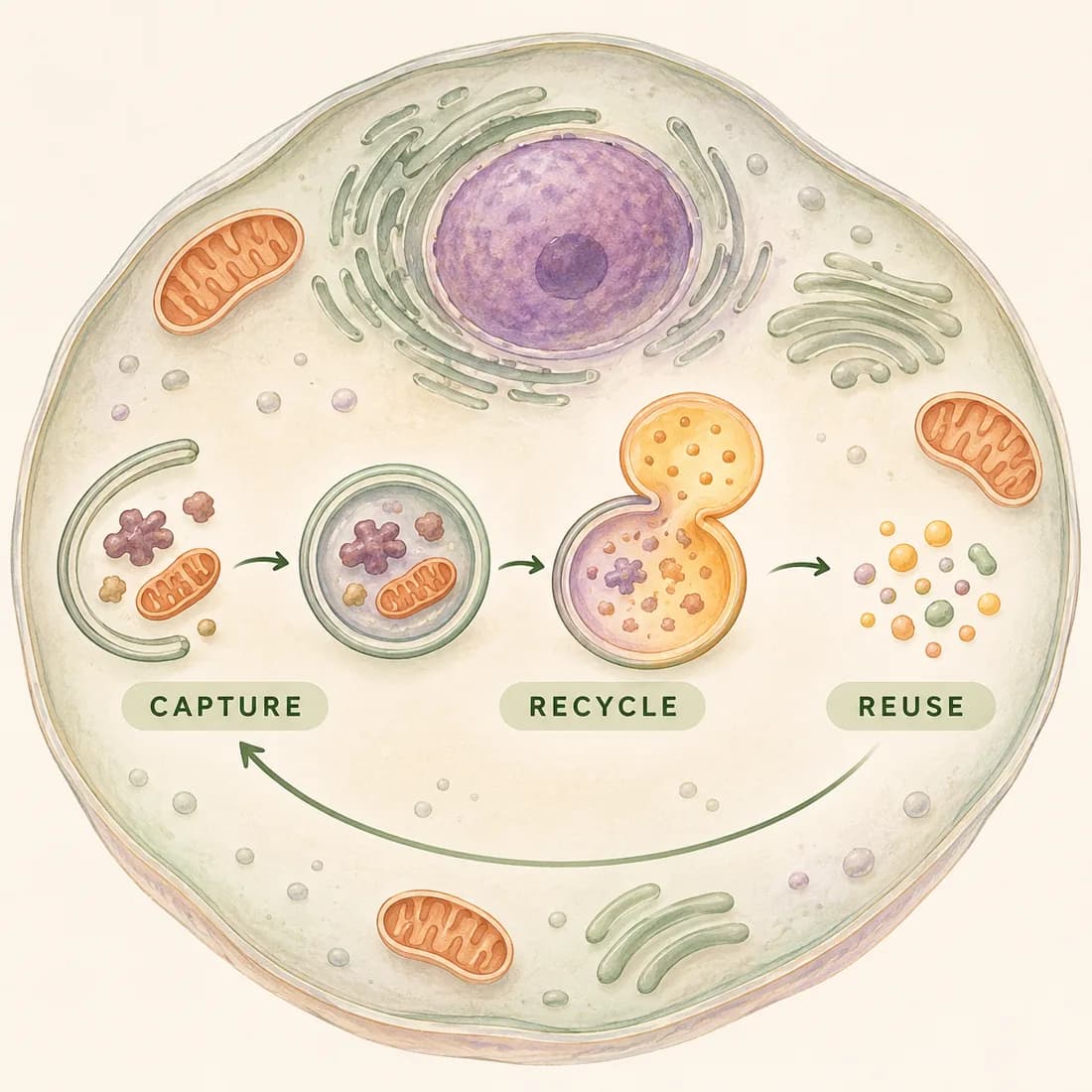
Food (and its absence) is central to life. Its presence is required for growth and maintenance; its absence — through fasting — can activate autophagy, the cell's clean-up and renewal system.
A biological balancing act
Autophagy: the body's inner clean-up.
We are hard-wired for food because, in nature, it requires effort and carries uncertainty. We have changed that. Today, food — and food-like things — are in constant abundance. This continuous “fed” state is compromising our central renewal processes.
Disruption in autophagy is implicated in many diseases of ageing, including Parkinson's, diabetes and cancer. That is why autophagy has become a major focus of health research. New medicines are also being studied for their ability to influence these pathways, including GLP-1.
A blind spot
Why isn't fasting mainstream?
Fasting is perhaps the most natural and powerful way of triggering autophagy. This understanding is very old. Yet fasting never became a mainstream health intervention.
We are addicted to immediate ease. Anything can be ordered, couriered and delivered to our doorstep. Waiting, effort and uncertainty are being designed out of daily life.
There is an uncomfortable economic question. Fasting is a big threat to the pharmaceutical industry: it can cut medicine consumption dramatically. The industrial instinct prevails in boosting consumption; fasting-linked researchers often do not get the funding or attention they deserve. That is a hard claim. We are not going to pretend it is a comfortable question.
Religions have long involved fasting. But not necessarily from the perspective of becoming healthy. Religions often celebrate what comes after death — nirvana — more than the living body and its biology.
Our position
We are not here to make fasting sound fashionable.
We want to identify our own efforts — and the efforts of the wider scientific community — towards understanding this practice. When we quote or refer to any past or present scientist, it should not be read as an affiliation with Moodforest, or an endorsement of our work, unless we clearly say so.
And SuperFasting is much more than fasting. We are exploring a combination of fasting, nature, movement, microbiome, epigenetics, sun exposure, wilderness and community living — an eco-psychological environment, not simply an empty stomach.
A decade of exploration
Our founding scientists.
Madhur and Vipin have invested over a decade of professional time in understanding and developing the idea of SuperFasting. Their work has been shaped by more than 550 participants from over 15 countries at their forest-lab in Madhya Pradesh, India.
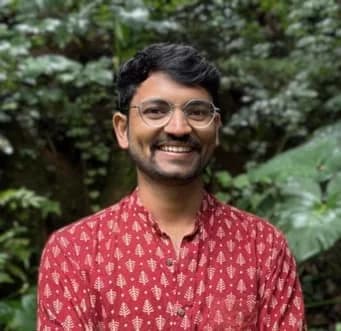
Founding scientist · Clinical psychology
Madhur Anand
Trained as a clinical psychologist, Madhur has long been interested in the biological aspects of human behaviour.
He pioneered the Green Mind Study in collaboration with Prof. Geertjan of the University of Amsterdam, forming the foundation of the Bio-happiness hypothesis — now under investigation.
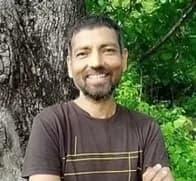
Founding scientist · Pharmaceutical research
Dr Vipin Gupta
Trained as a pharmaceutical researcher, he spent over two decades as a professor and scientist in India, Europe and the US, discovering new medicines — before venturing into this medicine-free approach to restoring health.
In 2011, he was invited by The Royal Swedish Academy of Sciences (famously known for awarding Nobel Prizes) as a resource person. He also spent long, deep stretches of time with Nobel Laureates. Those encounters gave him the courage to pursue foundational research.
Ideas that changed the questions
Nobel Laureates. Foundational work.
Two bodies of work that helped shape how we think about cellular renewal and cancer metabolism.
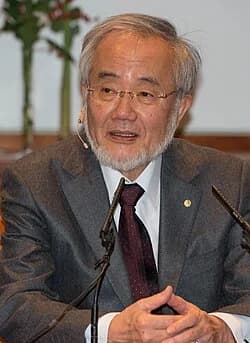
Nobel Prize in Physiology or Medicine · 2016
Yoshinori Ohsumi
For discovering the mechanisms of autophagy — the cell's own system for breaking down and recycling its components.
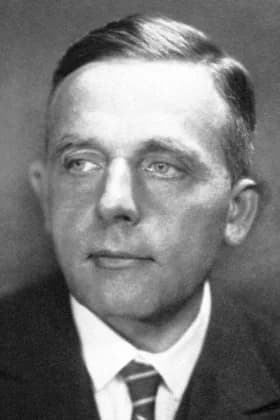
Nobel Prize in Physiology or Medicine · 1931
Otto Warburg
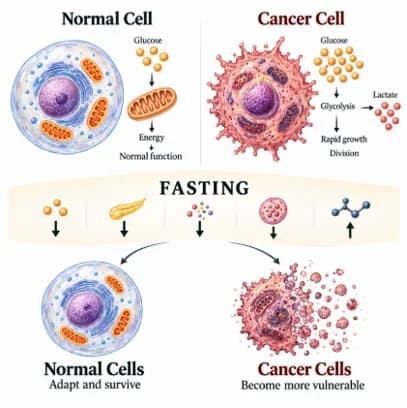
For his discovery of the nature and mode of action of the respiratory enzyme. His name is also associated with the Warburg effect — differences in how normal and cancer cells produce energy.
A film worth your time
The Science of Fasting
We request everybody to watch this documentary. It is one of the most profound films made on fasting, bringing together the work of many scientists and practitioners.
Shared by Moodforest as an educational resource. Not produced by Moodforest.
The next frontier
Emerging research.
There is much more to investigate. This section will grow with current published research on fasting, autophagy and related pathways.
Research collection · In development